Welp, it’s the end of 2025 and we are now firmly in the new year. As you’ve probably heard me say before, I use Winter time as a time to process images from the past year that I haven’t gotten to yet, clean up my image library by deleting files I know I won’t ever work on as well as organizational clean up, plus do some archival backups of my images. It was a busy holiday for me, so I’m just getting started on a long list of items to do to close out 2025 and prepare for 2026. One of the things I try and do is take a look at the past year and evaluate a few things…
- Did my photography change from the prior year in any way? Did it get better/worse technically? Was my “success rate” better or worse? (this is self-defined and is very open ended0
- Did I shoot more or less frames than the prior year? Does that relate to how many “keepers” I have from the year?
- Did any themes or new areas of interest make themselves evident as I look though my library for the year? If I detect something, I may do more investigation and then determine if it is a trend I want to continue or not.
As of this writing, I can’t fully answer these questions because I’m just starting my deep dive in to the past year to really take a look at what I did and if it means anything for the coming year. I can tell you a few stats that I find somewhat interesting
- I shot 20% fewer frames in 2025 than I did in 2024. Partly this was due to the workshops I led and the photos I took during the workshop. 2023 and 2024 were the highest shot counts in my library, so perhaps not a fair comparison because I had some epic trips where I shot alot. To give you some reference, I average about 8000 frames per year that are kept in my library. I haven’t yet deleted images from 2025, but I feel I might get close to that figure, if not slightly above.
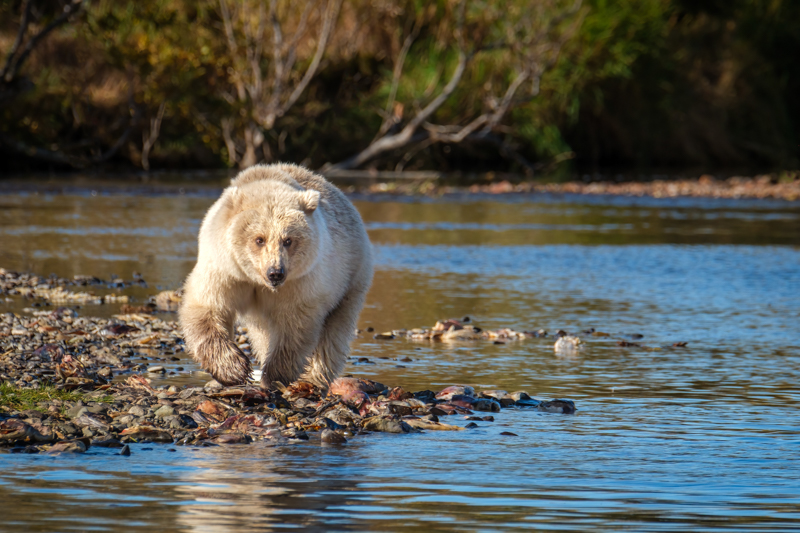
- As of right now, I have around 300 images that I have processed for 2025. On the surface, that might seem like a lot (or not). But when I do the math, this is only 2.5% of the total images I shot!!! Less than 3% of the images I took actually get processed and shared! When you think about this, it’s pretty interesting. In general, I try and take as few shots as necessary to make sure I have the shot safely on the card in the way I want it. I make take 2-3 frames of a static scene. One to dial in the comp, one good one, and then one “insurance” shot to make sure I have it. As I’m sure you might have experienced, we get caught up in the emotion of photographing a pretty scene and want to take many photos of it with no, or slight variations in the comp. Or, we just enjoy the act of photography and want to enjoy composing and executing photos for the sake of it. I experience all of those too! However, here’s where there is a learning opportunity….honing your skills in the field to compose and execute a shot without having to take 5-10 frames of the same scene. Can you do it in 1 shot? Or maybe 1 plus an “insurance” shot to make sure you have it. Of course, if you are shooting wildlife, as I did in Alaska with the grizzly bears, we often take a ton of shots to capture that decisive moment. This year, my Alaska trip definitely increased my overall shot count, yet the math holds true even for wildlife shooting. One of the lessons I try and practice each and every year is knowing when to walk away from a shot because I know it won’t translate well in to the photo, or I don’t think I’d ever do anything with it, even though it might be interesting in the moment. This is one of those “checks” I do for myself each and every time I think about taking a shot…”Is it something worthy? Will it translate? etc?” Or is it just because I’m caught up in the moment and want to enjoy photography. This number of “keepers” may rise by 50 or so by the time I’m done culling this years images. Still though, the percentage of keepers is quite small compared to my overall shot count.
- And then the last statistic that I track, which may not be relevant to you, is how many of my “keepers” made the cut to be posted on my website? Of the 300 keepers I have now, perhaps only 15-20 shots will make the cut to be posted on my website. A tiny, tiny percentage of my overall shots for the year!
When I first started down this photographic journey many years ago, I heard some wisdom from others that said, “if you keep 10% of your shots for the year, that’s good. If you have 1-3 images that are worthy of hanging on your wall, that’s great!” I’ve always remembered this little bit of folk wisdom, but it does really ring true for me as I’ve watched my images over the years.
At this point, I should probably point out photography is not about “success/failure”, how many images you took, how many images you kept or any of those left-brain kinds of metrics. Photography is about enjoyment, being creative, making art, enjoying others company in a shared experience in the field. Photography is a passion for most of us and passions can’t, and shouldn’t, be quantified. Passions are activities of the heart, not the head.
I fully embrace the right-brain creative side, but that doesn’t mean I don’t also like to look at a more clinical assessment of my photography. As someone who is a “constant learner”, I always want to improve my craft and sometimes that means looking at more empirical information to see how I’m doing and make adjustments. That’s why each year I look at some of the statistics of what I did that year. I don’t use this information as an indicator whether I was successful or not, my gauges of success come from the creative side. However, it does provide a quick snapshot of what I did during the year and how that may compare to previous years. I treat this as more “gee, that’s interesting” information than something I will put a lot of weight on.
The point of all of this is that I believe it is a good thing to take some time to evaluate your past photography and the end of 2025 provides a good time to do that for me. I’d be curious what you might do to “look back” at your past work, whatever timeline you might choose and what you do, or think of, that information. I believe that self-reflection is healthy and can go a long way to improving our artistic work. Gaining insights in to ourselves, though sometimes not fun, is valuable information for growing as an artist and as a person.
Leave A Comment